
What To Expect During A Full Home Renovation Project
What To Expect During Full Home Renovation Project
What really changes first during a full home renovation, your house or your routine?A full home renovation does not begin with new finishes or dramatic reveal moments. It starts with planning, decisions, measurements, scheduling, and a realistic understanding that your home is about to become an active jobsite for a while.
That can feel exciting and disruptive at the same time. From what we see at Minter Construction and Remodeling, full-home projects go more smoothly when the scope is clearly defined early and homeowners understand that the work will move in stages, not all at once. Minter’s site also reflects that their work often includes complete home renovations, kitchen and bathroom remodeling, structural changes, and close client communication from consultation through finishing touches.
Table Of Contents
1. What A Full Home Renovation Usually Includes
2. What Happens Before Demolition StartsWhat Construction Actually Feels Like 3. Day To Day
4. What Can Change Mid Project And Why
5. How To Make The Process Easier On Yourself
6. Conclusion
7. FAQs
Effective renovations follow a planned sequence rather than appearing as chaos. Homeowners typically progress through budgeting, design, permitting, and demolition before moving into rough work and final finishes. While hidden issues can impact timelines, the standard structure; concluding with inspections and a walkthrough; remains consistent.
What A Full Home Renovation Usually Includes
Full home renovations vary in scope. Some focus on layout changes and aesthetic upgrades, while others involve structural, electrical, and plumbing overhauls.
A larger scope demands careful early planning, as it directly impacts your budget, timeline, and permit requirements.Prioritize function by addressing layout, storage, and outdated systems collectively. A comprehensive renovation is most effective when solving multiple connected issues simultaneously. Minter's work often integrates structural improvements with major kitchen and bathroom updates rather than treating them as isolated projects.
Your Life Needs A Construction Plan Too
Could you stay in the house while the work happens, or would that make everything harder?That depends on the scope. Some homeowners remain in the home through part of the project, especially if work is phased.
Others choose to move out if the renovation affects kitchens, bathrooms, core mechanical systems, or several major rooms at the same time. Full-home renovation guides consistently point out that dust, noise, interruptions, and shifting access are part of the experience, which is why living arrangements should be discussed before demolition begins.
What Happens Before Demolition Starts
Before work begins, the project enters a discovery phase involving walkthroughs, measurements, and goal-setting. This stage allows homeowners and contractors to align on a realistic budget and determine what must change versus what is optional. Early planning minimizes later confusion by ensuring both parties share the same project vision.
This is also where our team believes homeowners benefit from being direct. You should say what frustrates you most about the house, what you want to protect, what rooms matter most, and what budget range feels realistic. The more clearly priorities are set before design and pricing move forward, the easier it is to make smart tradeoffs if the scope needs adjusting. That approach lines up with current remodel budgeting guidance that recommends separating must-haves from nice-to-haves as early as possible.
Budgeting, Selections, And Contingency Planning
Avoid the common mistake of equating construction price with total cost. NARI suggests budgeting for construction, materials, fees, permits, and a 10–20% contingency for surprises like outdated wiring or structural repairs.
In older homes, opening walls often reveals moisture damage or plumbing issues. These discoveries aren't failures; they simply reveal the truth of the structure. Seeing these conditions helps prioritize urgent decisions.

Permits And Scheduling Are Part Of The Job
Permits are not a side detail. NARI notes that most building codes require permits for structural changes, additions, or updates involving plumbing or electrical systems, and it warns that a contractor asking you to pull your own permit is a red flag.
The permit process often affects start dates, inspections, and how trades are scheduled, so it should be treated as part of the timeline rather than a surprise delay.Before work begins, you should also prepare the house and your routine for construction. A short list helps
- clear valuables and fragile items from work areas
- plan where you will store daily essentials during the project
- ask how access, dust protection, and communication will work week to week
These kinds of preparations are also consistent with broader homeowner advice from the FTC, which recommends written estimates, clear completion expectations, and a careful review of project details before work starts.
What Construction Actually Feels Like Day To Day
Demolition is usually the phase people imagine most, but it is only the opening step. Yes, it is noisy. Yes, it can feel messy. But the purpose is not destruction for its own sake. It is controlled removal so the structure, systems, and layout can be updated.
In a full renovation, demolition may include cabinets, flooring, fixtures, drywall, old trim, outdated tile, or walls that are being reworked. Current full-home renovation guides describe this phase as the point where the site is cleared, protected, and prepared for framing and system upgrades.
Rough Work Is Where The Invisible Progress Happens
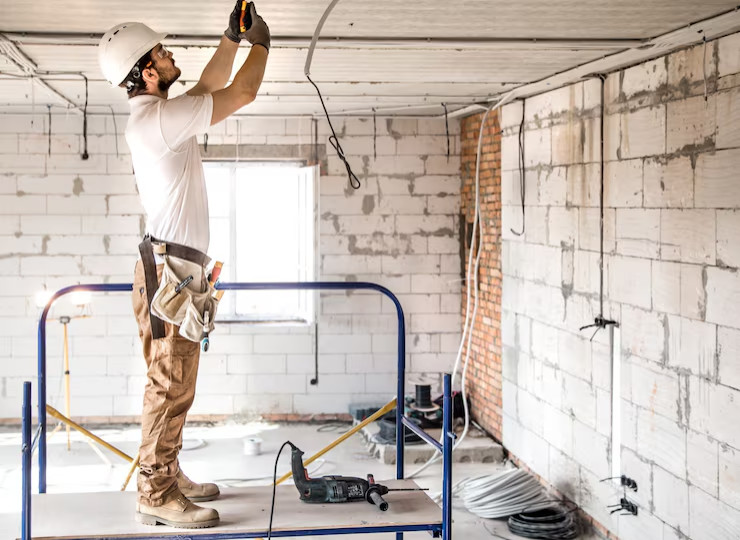
After demolition, the home often looks worse before it looks better. That is normal. This stage may include framing changes, support beams, plumbing reroutes, electrical updates, HVAC adjustments, and insulation or window work depending on scope. It is also where inspections often matter most because the work behind the walls needs approval before finishes cover it up.
NARI’s permit guidance and current homeowner renovation guides both point to inspections as a normal part of structural, plumbing, and electrical renovation work.This is also the stage where hidden problems often require professional attention. If the crew uncovers water damage, unsafe wiring, structural concerns, or older materials that need special handling, you want those issues addressed now instead of buried behind fresh drywall.
That is one reason full-home projects can shift in timeline. The goal is not speed at all costs. The goal is a finished home that is safer and more sound than what was there before.
Finishes Are The Reward For Early Patience
Once rough work and inspections are complete, the renovation starts to feel more visual again. Drywall goes up, paint begins, flooring returns, cabinets are installed, tile work takes shape, lighting goes in, and trim work starts pulling the design together. This is the phase homeowners often enjoy most because the house begins to look intentional again.
But it still requires patience because many finish elements depend on the previous trade being fully complete.If your home was built before 1978, there may be one more layer to think about. The EPA warns that renovation, repair, or painting in older homes can create dangerous lead dust, and it requires contractors working on covered projects to be lead-safe certified. Even for homeowners doing some work themselves, EPA recommends lead-safe practices to keep dust contained and protect the household.

What Can Change Mid Project And Why
Renovation timelines often stretch because hidden issues like old wiring or damage can show up once work begins, especially in older homes. Delays can also happen when materials change, layouts are revised, or finishes are chosen late. Clear communication, written plans, and early decisions help keep the project moving more smoothly.
How To Make The Process Easier On Yourself
Treat a full home renovation as a project requiring your active participation. Success relies on keeping records, asking questions early, and responding quickly to selection requests.
Clear communication is essential to avoid confusion regarding scope, pricing, and timing.The final phase involves cleanup, a walkthrough, and a punch list to address minor details. Depending on the project, this stage may also include final inspections and permit closeouts.
Even if the work looks finished, the project is not officially complete until these final steps are wrapped up.
Conclusion
A full home renovation project is a big commitment, but it should not feel mysterious once you understand the rhythm of it. You can expect planning first, then design and budgeting, followed by permits, demolition, rough work, finishes, inspections, and a final walkthrough. You can also expect dust, decisions, temporary inconvenience, and the occasional surprise hidden inside older walls.
What helps most is going in with a realistic view. You should not expect a perfectly quiet or perfectly linear process. You should expect a structured one. When the scope is clear, the communication is solid, and the work is handled in the right order, a full renovation gives you the chance to reshape how your home looks, feels, and functions for years to come. And for many clients, that is what makes the disruption worth it.
FAQs
How long does a full home renovation usually take?
It depends on the size of the home, the scope of work, permit timing, material availability, and what is uncovered during demolition. A full renovation often takes several months rather than a few weeks.
Can I live in my house during a full home renovation?
Sometimes yes, but it depends on which areas are being renovated and whether core spaces like kitchens, bathrooms, or major systems will be offline. Many homeowners stay for part of the project and move out for the most disruptive phases.
Do full home renovations usually require permits?
Many of them do, especially when structural work, electrical updates, plumbing changes, or major layout changes are involved. Permit needs vary by project and local code requirements.
What causes renovation costs to go up after work starts?
Costs often rise when hidden problems are discovered, when material prices or availability change, or when homeowners make scope changes after construction begins. That is why a contingency budget matters.
What should I do before the project starts?
Clear the work areas, protect important belongings, confirm access plans, review the contract carefully, and make sure you understand the sequence of work and who to contact with questions.
Full Home Renovation Support That Brings Clarity To Every Step Of The Process
→ Get a clear plan for your renovation from start to finish
→ Work with a team focused on quality, communication, and detail
→ Move forward with updates that improve how your home looks and works
Connect with Minter Construction and Remodeling to start planning your full home renovation
★★★★★ Rated 5.0/5.0 by homeowners for consistent quality, attention to detail, and reliable remodeling results.