
How To Choose The Right Layout For A Small Bathroom
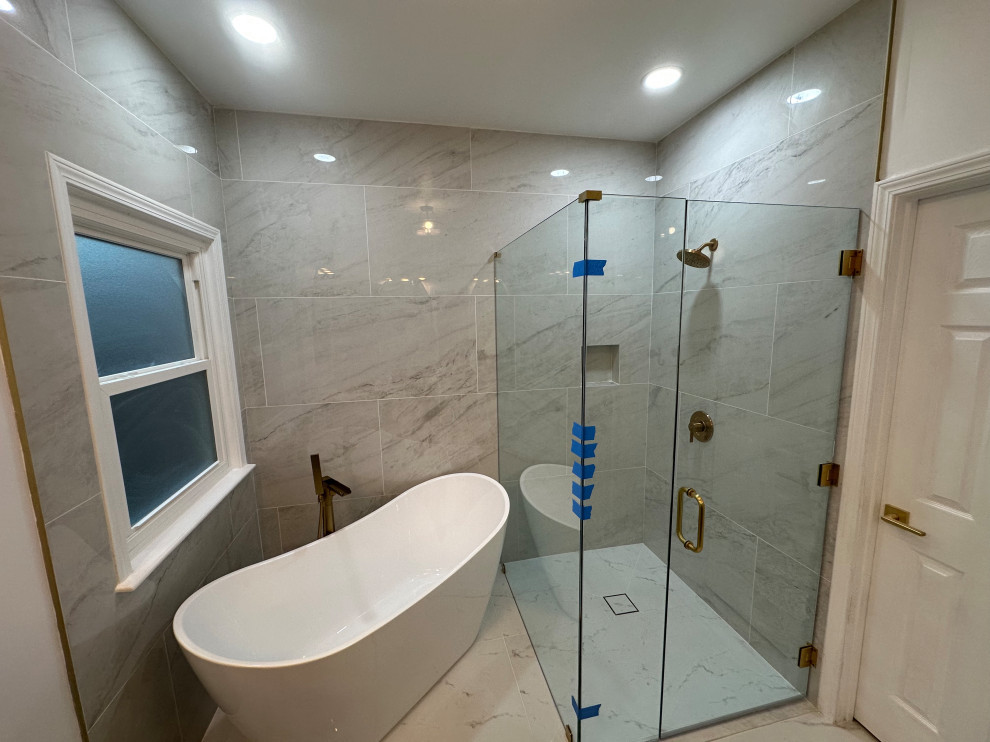
How To Choose The Right Layout For Small Bathroom
What if the smallest room in your home could feel calmer simply because every inch finally knew its job?A small bathroom can be practical, attractive, and comfortable, but only when the layout works with the space instead of fighting it.
The right plan can make daily routines easier, improve storage, reduce crowding, and help the room feel larger than it is. We believe a successful remodel begins before tile, paint, or fixtures are chosen. It begins with understanding how you move, what you use every day, and which choices will make the room function better for years.
Table Of Contents
1. Start With The Way The Room Is Used
2. Keep Plumbing Changes Practical And Purposeful
3. Choose Fixtures That Fit The Footprint
4. Make Storage Part Of The Layout From The Start
5. Use Light And Sightlines To Make Space Feel Larger
6. Protect Comfort, Safety, and Long-Term UseConclusion
7. FAQs
It also helps to decide what feels most important before design begins, such as easier cleaning, better privacy, more storage, safer movement, or a calmer look that makes the small room feel less crowded.
Start With The Way The Room Is Used
A good layout should match real habits, not just a drawing that looks neat. Before moving fixtures or choosing finishes, think through how the room supports your morning and evening routines.
Know Who Uses The Space Most
A guest bath, children’s bath, hallway bath, and primary bath all serve different needs. A powder room may only need a toilet, sink, mirror, and storage for basics. A family bath may need tub access, towel storage, easy cleaning, and room for more than one person during busy mornings.
You should not copy another home’s layout without asking whether it fits your household. The best plan responds to how your family actually uses the room.
Watch The Trouble Spots First
Notice where the room feels tight. Does the door hit the vanity? Is the toilet too visible? Is the shower hard to enter? Do towels land on the floor because there is no good storage?
At Minter Construction and Remodeling, we look for those daily frustrations first because they often reveal the smartest layout changes. Small spaces improve when the biggest annoyances are addressed clearly.
Keep Plumbing Changes Practical And Purposeful
Changing fixture locations can open new possibilities, but it can also affect cost and timeline. A smart layout balances better function with realistic construction planning.
Existing Plumbing Can Guide The Plan
If the toilet, sink, and shower already sit in workable locations, keeping them close to their current spots can simplify the remodel. This may leave more budget for better storage, lighting, tile, or fixtures.
You should not move plumbing only because it sounds like a bigger transformation. Move it when the change truly improves access, clearance, safety, or flow.
When Moving Fixtures Makes Sense
Sometimes the existing layout is the problem. A poorly placed vanity can block the entry. A tub may take too much space. A toilet may sit where a larger shower would work better.
A professional can help you understand what is possible behind the walls and floor before decisions become expensive. Good planning protects both the design and the budget.
Choose Fixtures That Fit The Footprint
Small rooms need fixtures that earn their space. The goal is not to choose the smallest item every time, but to choose pieces that fit the room and the people using it.
Vanities Should Balance Storage And Clearance
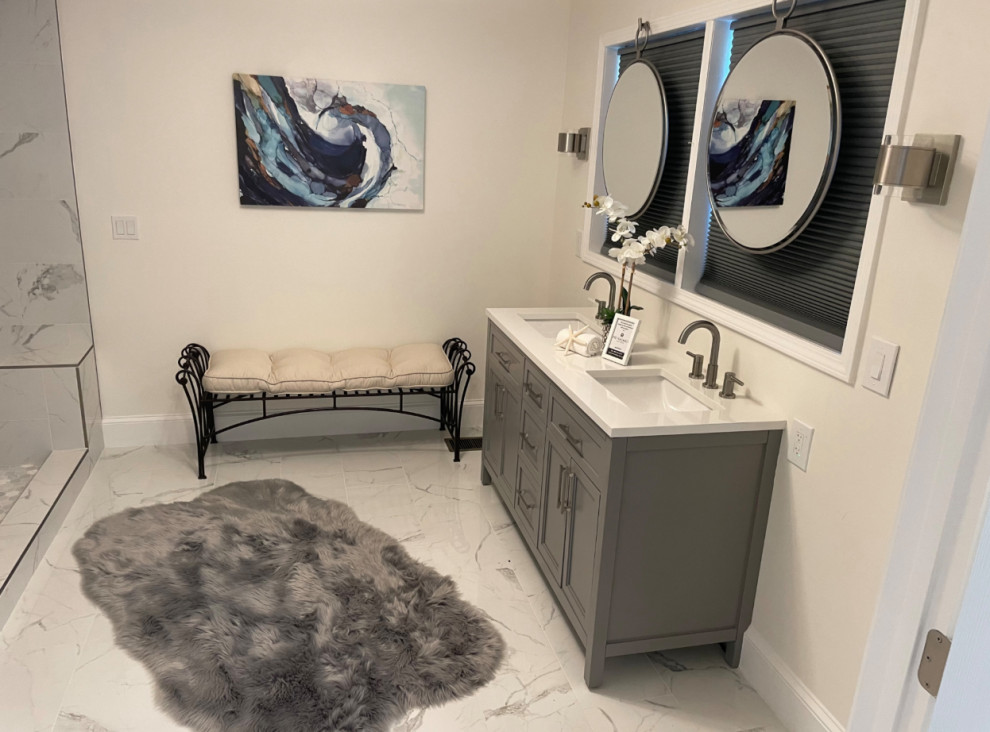
A vanity that is too large can make the room feel cramped. A vanity that is too small may leave no place for daily items. Floating vanities, narrow vanities, corner sinks, or custom storage can help when floor space is limited.
You should measure walkway clearance and door swing before choosing a vanity. A beautiful cabinet loses its value if everyone has to turn sideways to pass it.
Showers And Tubs Need Honest Decisions
Some small bathrooms work best with a shower. Others need a tub because children, pets, or resale needs matter. A tub shower combination can be practical, while a walk-in shower with glass can make the room feel more open.
Ask what you use now and what you will use later. The right answer is personal, not automatic.
Make Storage Part Of The Layout From The Start
Storage should not be squeezed in after everything else is chosen. In a small room, storage placement can decide whether the space stays tidy.
Use Walls Without Crowding The Room
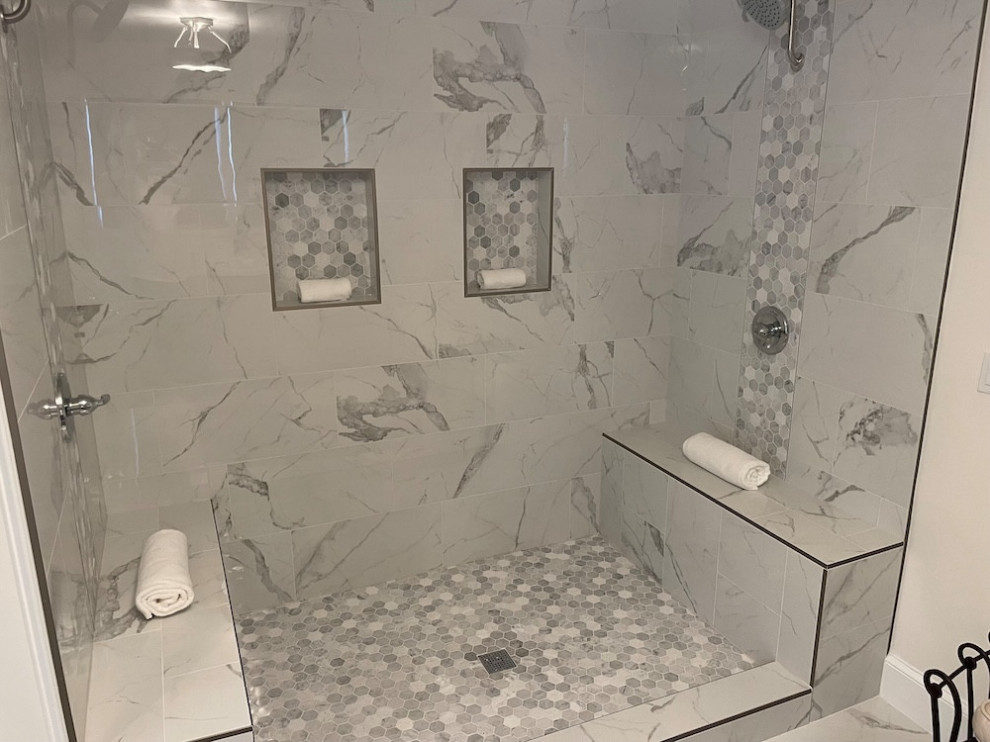
Medicine cabinets, recessed niches, towel hooks, shelves over the toilet, and tall narrow cabinets can add function without taking much floor space. Built in shower niches also keep bottles from cluttering ledges.
You should avoid filling every wall. Too much visible storage can make a small room feel busy. A mix of closed and open storage often feels cleaner.
Keep Daily Items Within Reach
Think about toothbrushes, hair tools, toilet paper, towels, soaps, cleaners, and bath products. Each item needs a logical place. If it does not have one, it will probably land on the counter.
A well-planned bathroom layout makes storage easy to use, not just easy to admire in photos. That is what helps the room stay functional after the remodel is finished.
Use Light And Sightlines To Make Space Feel Larger
A small bathroom can feel more open when the eye can travel through the room. Lighting, mirrors, glass, and color all affect how spacious the layout feels.
Glass And Mirrors Reduce Visual Weight
A frameless or lighter glass shower enclosure can open the view, especially compared with a heavy curtain or bulky frame. Mirrors can reflect light and make the vanity area feel broader.
You should place mirrors with a purpose. A mirror that reflects light or a clean wall usually helps more than one that reflects clutter.
Lighting Should Support Every Task
Small bathrooms often rely on one overhead light, but that can create shadows. Layered lighting around the vanity, shower, and ceiling can improve grooming, cleaning, and comfort.
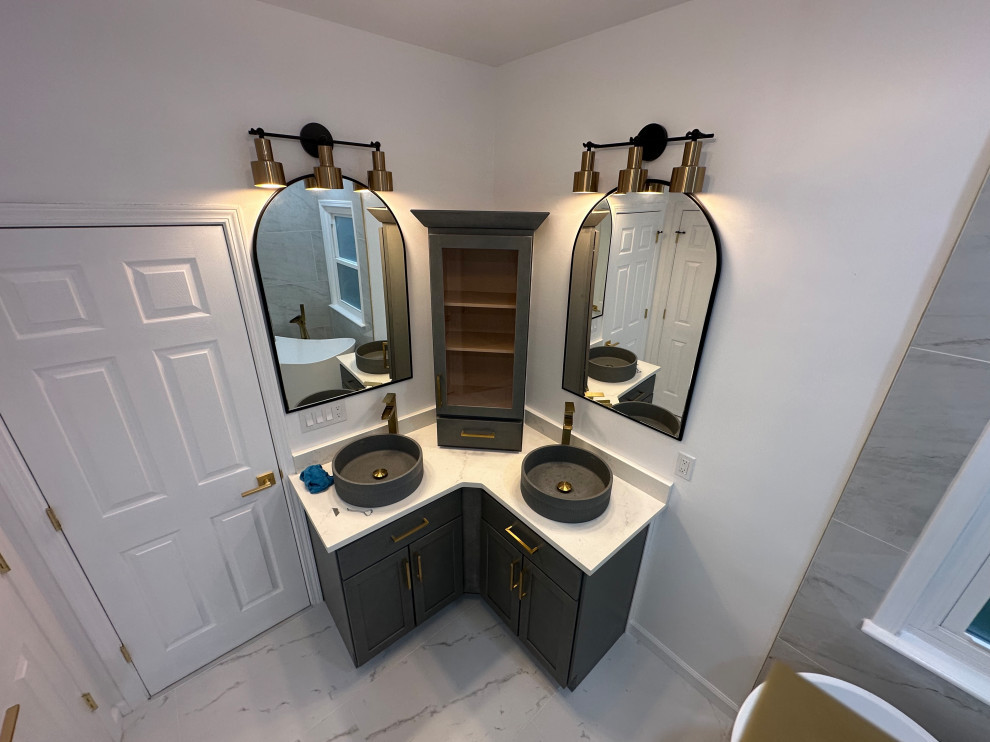
Plan lighting early. Electrical changes are easier to include before walls and finishes are complete.
Protect Comfort, Safety, and Long-Term Use
A good layout should work today and still feel sensible later. Comfort and safety matter even in a small remodel.
Clearances Make The Room Easier To Move Through
Toilet clearance, shower entry space, vanity depth, door swing, and towel placement all affect comfort. Even a few inches can change how the room feels.Use this quick layout review before approving a plan.
- Check door swing and walking paths
- Confirm vanity depth and drawer clearance
- Review shower or tub entry space
- Plan towel hooks near the right spots
- Keep storage close to daily routines
This is the only checklist you need before the design moves forward.
Materials Should Match Daily Maintenance
Layout and materials work together. Large-format tile may reduce grout lines. Slip-resistant flooring can support safety. Easy-to-clean surfaces can help busy households keep the space fresh.
You should ask how each surface handles water, cleaning products, humidity, and regular use. A small room works harder than it looks.
Conclusion
Choosing the right small bathroom layout is about making every inch useful without making the room feel packed. Start with how the space is used, then review trouble spots, plumbing options, fixture sizes, storage needs, lighting, sightlines, safety, and maintenance. The best plan should make daily routines easier, not only make the room look newer.You should not rush into finishing before the layout is solved.
Tile and hardware matter, but they cannot fix a door that swings into the wrong place or a vanity that blocks movement. A thoughtful layout gives the rest of the remodel a stronger foundation.Small spaces reward careful decisions. When the toilet, sink, shower, storage, lighting, and walking paths all work together, the room can feel calmer and more useful.
You may not be able to add square footage, but you can create a plan that makes the space feel smarter, cleaner, and easier to live with.
FAQs
These quick answers can help you think through a small bathroom layout before remodeling.
What is the best layout for a small bathroom?
The best layout depends on plumbing, room shape, door swing, fixture needs, and storage. A good plan keeps movement clear and daily items easy to reach.
Should I keep the toilet in the same place?
Keeping the toilet in place can reduce complexity, but moving it may make sense if it improves clearance, privacy, or shower space.
Is a shower better than a tub in a small bathroom?
A shower can save space, but a tub may be useful for children, pets, or resale. Choose based on how your household actually uses the room.
How can I make a small bathroom feel larger?
Use clear sightlines, good lighting, mirrors, glass shower enclosures, lighter finishes, and storage that reduces clutter.
When should I get help with the layout?
Get help before ordering fixtures or finishes. Early planning can prevent clearance problems, plumbing surprises, and costly layout mistakes.
Small Bathroom Layout Planning That Makes Every Inch Work
→ Choose fixture placement that improves flow, storage, and comfort
→ Avoid cramped layouts with smart planning before construction begins
→ Create a bathroom that feels easier to use, clean, and enjoy
Move forward with confidence alongside Minter Construction and Remodeling.
★★★★★ Rated 5.0/5.0 by homeowners for consistent quality, attention to detail, and reliable remodeling results.